Replacing the windows in your home is one of the bigger home-improvement decisions you'll make, and uPVC is by far the most popular material in the UK. It's durable, low-maintenance, thermally efficient, and a fraction of the cost of timber or aluminium. But not all uPVC windows are the same, and the choices you make on style, glazing and fitter will shape how the finished windows look and perform for the next twenty years. This guide walks you through the decisions that actually matter.
Window Styles Explained
uPVC windows come in several distinct styles. Picking the right one depends on your property type, how you want the window to open, and the look you're going for.
- Casement windows: The most common style in the UK. Hinged at the side or the top, with a single opener or a fixed-and-opener combination. Modern, simple, and usually the most affordable option. They suit almost any property type.
- Bay windows: A set of three or more windows joined at angles to project outward from the wall. Traditionally found on Victorian and Edwardian terraced houses, bay windows add light and a sense of space to a living room. They're more expensive than standard casement windows because of the framing and structural work involved.
- Vertical sliding sash windows: A uPVC version of the classic timber sash. Two panels slide vertically past each other. Used to preserve a period look on older properties without the maintenance of a real timber sash. More expensive than casement but much cheaper than a heritage timber replacement.
- Tilt-and-turn windows: A hinged window that can either tilt inward at the top (for ventilation) or swing fully inward (for cleaning and escape). Popular on first-floor bedrooms and in flats. Not common but useful where specified.
If you're replacing like-for-like, match the existing style. If you're upgrading for performance or aesthetics, this is a chance to think about how you actually use each window day-to-day.
Glazing and Thermal Ratings
The glass in a window matters as much as the frame. Modern uPVC windows are fitted with sealed double-glazed units, and there are a few specifications worth understanding.
- Double vs triple glazing: Double glazing is the UK standard and more than adequate for most homes. Triple glazing gives marginal thermal improvement but costs more and adds weight. For most properties, properly specified double glazing wins on value.
- Thermal ratings (A to C): Windows are rated for energy efficiency. A and A+ rated windows use low-emissivity glass and argon-filled cavities to reduce heat loss. Going from a C rating to A rating can cut heat loss through windows by roughly a third.
- Low-emissivity coatings: A thin metallic coating applied to one of the internal glass surfaces that reflects heat back into the room. Standard on any modern A-rated unit.
- Argon fill: The cavity between the panes is filled with argon gas instead of air. Reduces heat transfer further. Also standard on A-rated units.
- Toughened or laminated glass: Required by Building Regulations in certain positions (low-level windows, doors, near stairs). A good installer will know where toughened glass is legally needed.
Planning a uPVC Window Project?
Call Valley Windows Halifax on 01422 752025. Free, no-obligation quotes across Halifax and West Yorkshire.
Call for a Free QuoteFrame Colours and Finishes
Standard white uPVC is still the most popular choice for a reason: it's clean, bright, and goes with almost any property. But modern foiled finishes mean you can pick from a much wider range without losing any of the uPVC benefits.
- White: The default. Brightest, cheapest, matches everything.
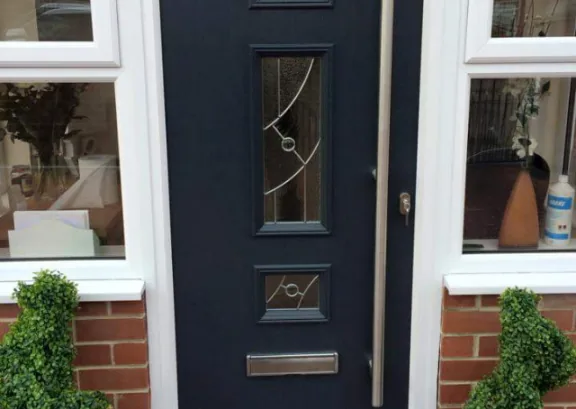
- Anthracite grey: The most popular non-white choice right now. Modern, sharp, and looks particularly good on new-build properties and modernised Victorian terraces.
- Cream and Chartwell green: Softer options that work well on traditional cottages and period properties.
- Woodgrain foils (Rosewood, Golden Oak, Irish Oak): A printed timber-effect foil that gives the look of wood without any of the maintenance. Popular on cottages and stone properties where a pure white plastic frame would feel wrong.
- Dual colour: White inside, colour outside (or vice versa). Useful if you want a white interior for maximum brightness but a coloured exterior to match the property style.
How Much Should You Expect to Pay?
Prices for uPVC windows vary with size, style, glazing spec and frame colour. As a rough guide for a supply-and-fit job in the Halifax area:
- Casement window: £350 to £700 per window fitted, depending on size and spec.
- Bay window: £1,200 to £2,500 fitted, depending on the number of panels, glazing spec and whether structural work is needed.
- Vertical sliding sash window: £700 to £1,400 fitted. The mechanism is more complex than a casement, hence the price.
- Whole-house window replacement: Typically £4,000 to £10,000 depending on the number and mix of windows.
Always get at least two quotes and compare like-for-like specs. A £3,000 quote and a £5,000 quote can both be correct, they're just quoting different glazing, frames, and fitters.
Choosing the Right Installer
The quality of the install matters as much as the quality of the windows. A top-spec A-rated window fitted poorly will leak, rattle and fail inspection. A mid-spec window fitted properly will give you twenty years of trouble-free service. Here's what to look for.
- Insurance and certification: Ask for proof of public liability insurance and confirmation they work to current Building Regulations. Look for installers who are Assure Certified or registered with a recognised competent person scheme.
- Who actually fits the window? In larger companies you deal with a salesperson, and a subcontracted fitter does the work. In smaller independent firms the person quoting is the person fitting. Which matters to you depends on how much personal accountability you want.
- Written quotes with itemised pricing: A good quote breaks down the cost of the frames, glazing, disposal and fitting. Vague one-line quotes make comparison impossible.
- Guarantee in writing: Manufacturer guarantees cover the frames and sealed units. Installer guarantees cover the fit. You want both in writing before committing.
- Local references: Ask if they've done work recently in your area. A local installer with recent Halifax jobs is worth more than a big-name company with no local track record.
Frequently Asked Questions
A single window replacement typically takes half a day. A whole-house job (5 to 10 windows) usually takes one to three days depending on the property size and the type of windows being fitted. Bay windows and sash windows take longer than standard casement windows because of the additional frame work.
In most cases, no. Like-for-like uPVC window replacements fall under Permitted Development. Exceptions include listed buildings, properties in conservation areas, and flats in some cases. If you're unsure, ask your local planning office or a reputable installer before committing.
Yes, when properly specified. Modern A-rated uPVC windows with low-e glass and argon-filled cavities provide excellent thermal performance and a noticeable reduction in heating bills compared to single-glazed or old double-glazed units from the 1990s. The installer spec and install quality both matter, a cheap window fitted badly will never perform as well as an A-rated window fitted properly.
Quality modern uPVC is UV-stabilised and should not fade or yellow for at least 15 to 20 years. Older uPVC from the 1990s sometimes yellowed due to lower-quality plastic and UV inhibitors. Today's frames are a different material entirely. Foiled finishes (anthracite grey, woodgrain) are similarly colour-fast.
Sometimes. If the frames are in good condition and the sealed unit has simply failed (usually visible as misting between the panes), a glass-only replacement may be possible. But if the frames are ageing or damaged, replacing just the glass is a short-term fix. We'll always tell you straight which option makes sense for your situation.
Quality uPVC windows fitted properly should give you 20 to 30 years of service with minimal maintenance. Hinges and seals may need occasional replacement, but the frames themselves last decades. Cheaper frames and poor installation can shorten that significantly, which is why fitter choice matters as much as frame choice.